
What Are the Operating Precautions for a Double Membrane Gas Holder?
Double membrane gas holders are safe and efficient gas storage systems widely used for storing biogas, air, carbon dioxide, oxygen, and other neutral gases. With their simple structure, easy installation, adjustable storage capacity, and low operating costs, they have become an essential component in renewable energy, environmental protection, and industrial gas storage projects.
To ensure long-term stable operation and maximize the service life of a double membrane gas holder, it is essential to follow proper operating procedures and perform routine maintenance. Correct installation, commissioning, and regular inspections are the foundation of safe and reliable operation.
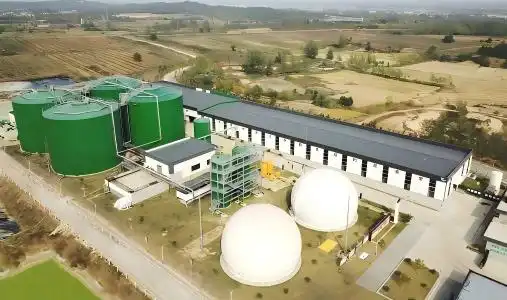
1. Conduct pressure testing after installing the gas holder
After the gas holder, pipelines, and auxiliary equipment have been installed
and commissioned, a comprehensive pressure test must be carried out.
During the test, inspect the overall gas tightness of the system, membrane
connections, welded joints, and the operation of auxiliary equipment. The
gas holder should only be put into service after confirming that it meets the
design pressure requirements, has no gas leakage, and maintains structural stability.
2. Use antifreeze in the safety water seal of the biogas holder
Double membrane gas holders are generally equipped with a safety water seal to regulate internal pressure and protect the membrane system.
The antifreeze solution should be selected according to the ambient temperature at the project site, especially in cold regions. Using antifreeze prevents the sealing liquid from freezing, ensures the safety water seal functions properly, and avoids abnormal pressure fluctuations that could reduce the service life of the gas holder.
3. Slight gas permeation is normal during the operation of the biogas balloon
Because double membrane gas holders are manufactured from flexible polymer membrane materials, a very small amount of gas permeation through the membrane is normal during long-term operation.
As long as the gas permeability remains within the specified design limits, the gas holder is considered to be operating normally.
Regular inspections should be conducted to check for abnormal gas leakage, membrane damage, or material aging. Any issues should be repaired promptly to maintain safe operation.
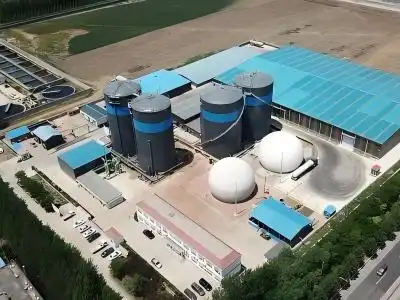
4. Maintain the Proper Shape of the Gas Holder
During operation, a freestanding double membrane gas holder should always maintain its designed spherical shape.
The minimum operating pressure inside the gas holder should generally be maintained between 500 and 800 Pa, ensuring that
both the inner and outer membranes remain properly tensioned.If the pressure is too low, the outer membrane may collapse or
deform, affecting normal operation. Excessive pressure, on the other hand, increases membrane stress and may shorten the
equipment’s service life.During rainy or snowy weather, special attention should be paid to water or snow
accumulation on the top of the outer membrane. Excessive loads may affect structural safety and should be removed promptly.
Conclusion
Although double membrane gas holders feature a simple design and reliable performance, proper installation and professional maintenance are essential for ensuring long-term safe operation.
Qingdao Haiyue Membrane Structure Engineering Co., Ltd. specializes in the design and manufacture of high-quality double membrane gas holders, providing safe, efficient, and reliable gas storage solutions for biogas, renewable energy, wastewater treatment, and industrial gas storage projects worldwide.