How Is Biogas Produced?
Biogas is produced by placing organic waste such as food waste, animal manure, and agricultural residues into an oxygen-free environment where it slowly ferments. DurinBiogas is a clean, renewable energy produced via anaerobic fermentation of organic matter. It occurs naturally in wetlands and has been developed into mature artificial production systems widely applied worldwide. As a low-carbon and eco-friendly fuel, it plays a vital role in waste recycling, rural energy supply, and greenhouse gas emission reduction.g this process, gases such as methane are generated.

1. What Is Biogas and How Does It Form?
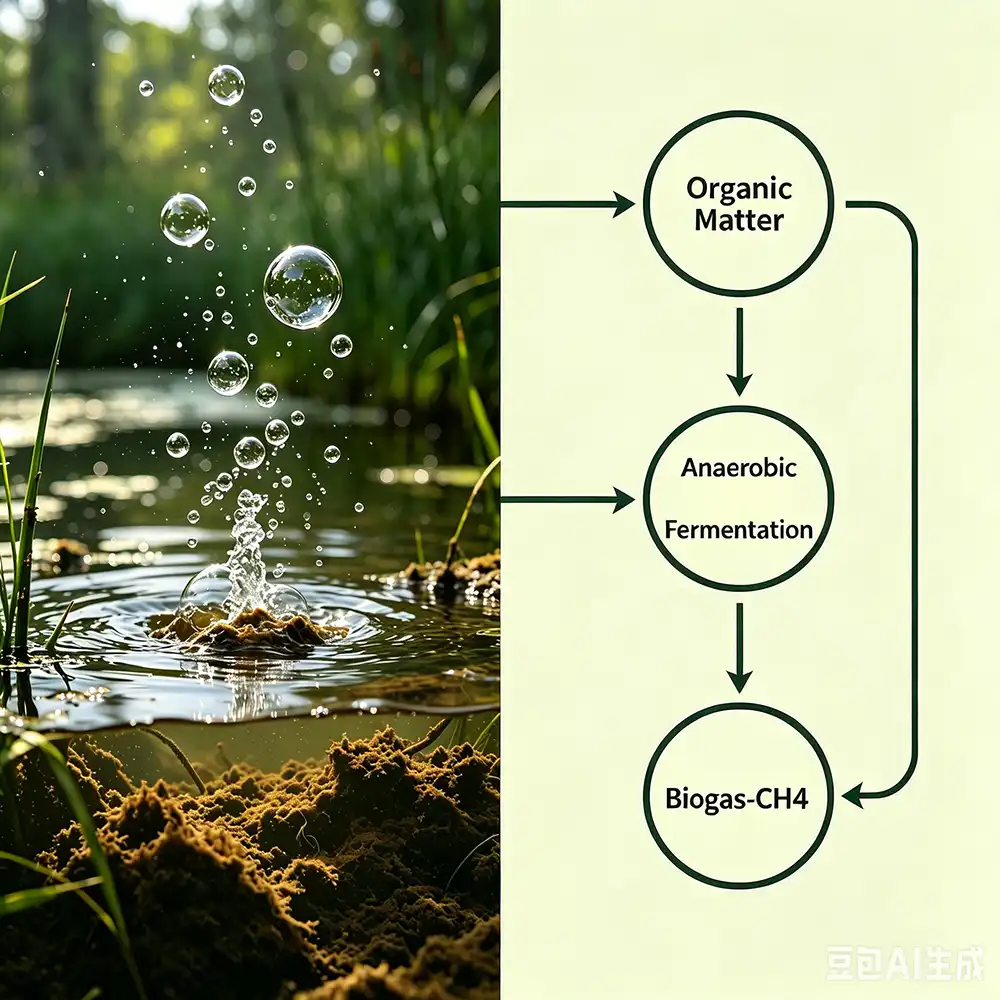
Biogas was first identified in marshlands, hence its common name “marsh gas.” Scientifically, it is defined as a combustible gas generated when organic materials undergo microbial decomposition in an oxygen-free (anaerobic) environment. The process relies on complex anaerobic bacterial communities that break down organic compounds step by step.
The raw materials for biogas production are abundant and diverse, including livestock manure, domestic sewage, crop straw, kitchen waste, and industrial organic sludge. Under suitable conditions — mesophilic digestion at 30–35°C, proper moisture, and neutral pH — these materials decompose through three core stages: hydrolysis, acidogenesis, and methanogenesis.
In the final stage, methanogenic bacteria convert intermediate substances into methane (CH₄) and carbon dioxide (CO₂), the primary components of biogas.
Typically, biogas consists of 50–70% methane, 25–40% carbon dioxide, and trace amounts of hydrogen sulfide, nitrogen, and hydrogen. It delivers a calorific value of approximately 16–28 MJ/m³.
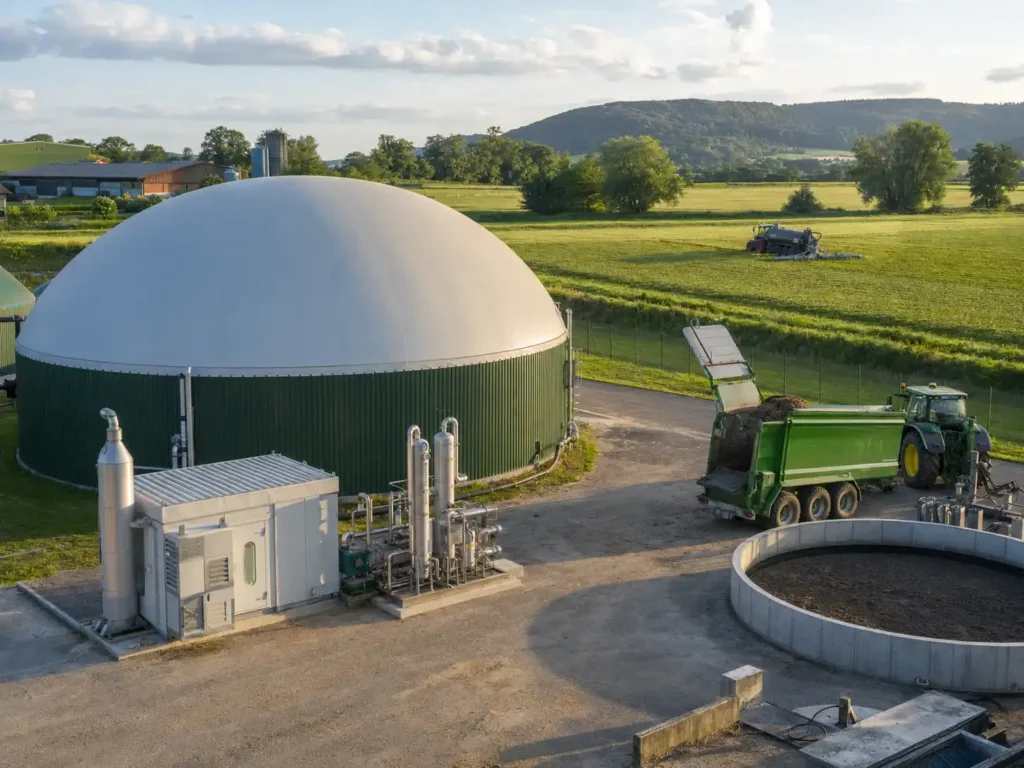
Beyond energy generation, fermentation residues, including solid digestate and liquid effluent, serve as high-quality organic fertilizers rich in nitrogen, phosphorus, and potassium. When integrated with crop cultivation and animal husbandry systems, they support efficient waste recycling, reduce chemical fertilizer dependency, and improve agricultural productivity.
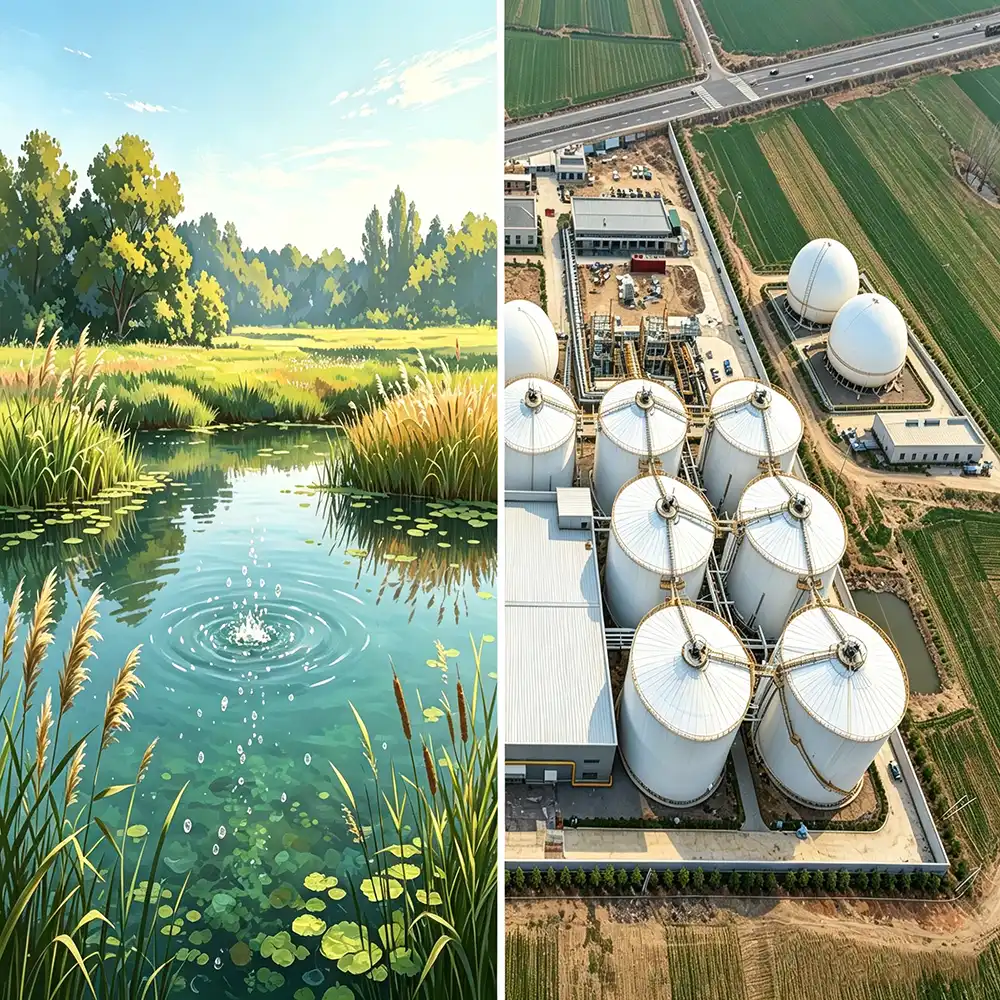
2. Natural vs. Artificial Biogas: Two Pathways to Green Energy
Based on its source, biogas is classified into two categories: natural biogas and artificial biogas.
Natural biogas forms spontaneously in natural anaerobic environments without human intervention. It commonly appears in marshes, stagnant ponds, latrines, and sewers as organic waste decomposes naturally. However, natural biogas features unstable output, low yield, and cannot be harvested for large-scale utilization.
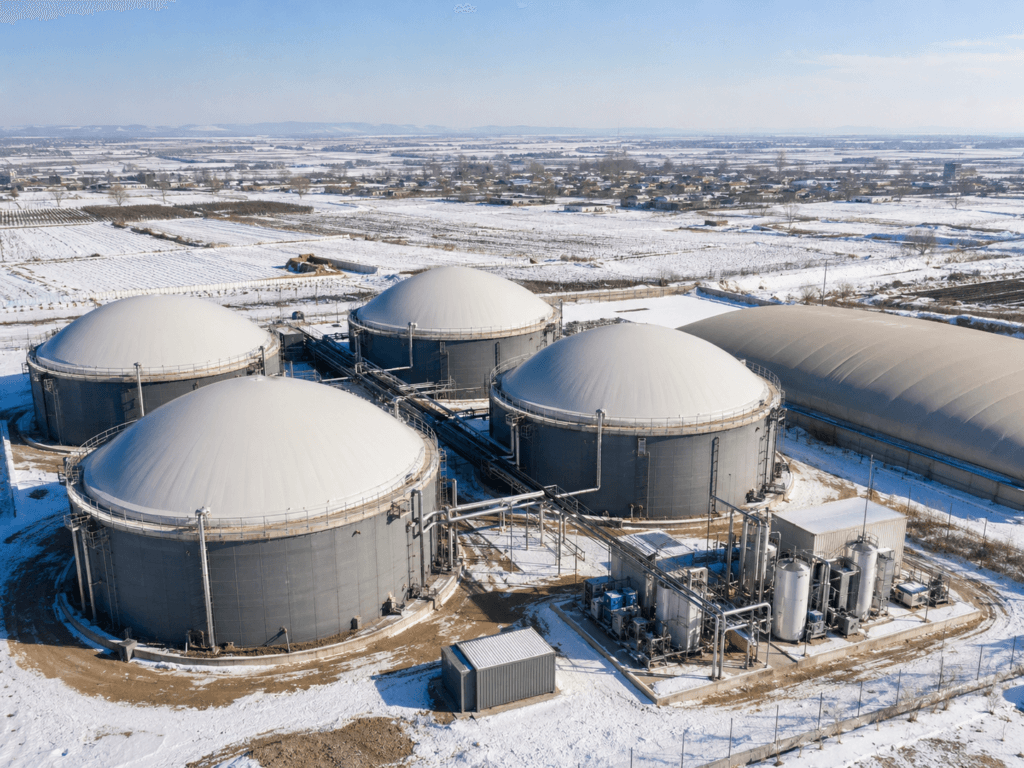
Artificial biogas is produced by replicating natural anaerobic conditions in engineered biogas plants or anaerobic digesters. These sealed, temperature-stabilized tanks optimize microbial activity to convert organic waste into biogas continuously and efficiently.
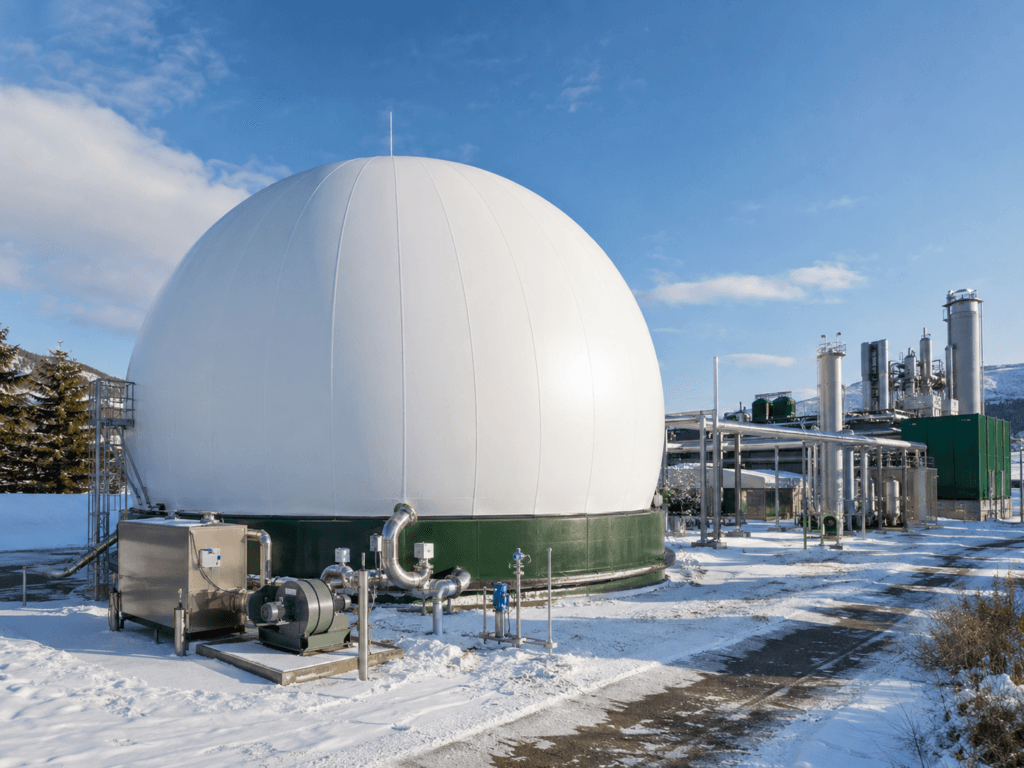
To achieve stable, on-demand energy utilization, produced biogas requires professional gas storage solutions. Biogas domes and double membrane covers are two independent, mainstream gas storage devices widely adopted in modern biogas projects.
Both types of professional membrane storage equipment share the same core functions: they can safely store large volumes of biogas and ensure stable gas supply for continuous operation. This artificial biogas production model dominates current agricultural, industrial, and municipal renewable energy projects.
Although artificial biogas resembles natural gas in combustion performance and application scenarios, their composition and calorific values differ greatly. Natural gas is a fossil fuel containing 85–95% methane, with a high calorific value of 33–39 MJ/m³. In comparison, artificially produced biogas has a lower methane concentration of 50–70% and relatively lower calorific value.
Nevertheless, biogas is renewable and carbon-neutral. It effectively reduces methane release from organic waste decomposition, and methane is 28 times more potent as a greenhouse gas than carbon dioxide over a 100-year timeframe.
Conclusion
From tiny bubbles floating on still water to large-scale industrial biogas facilities, biogas technology demonstrates human capability to utilize natural ecological principles for sustainable development. It converts organic waste into clean renewable energy, replaces traditional fossil fuels, reduces greenhouse gas emissions, and produces nutrient-rich organic fertilizers to boost agricultural recycling.
Amid global low-carbon transformation, biogas technology provides a practical, scalable, and environmentally friendly solution that balances industrial development and ecological protection.
Please feel free to send us your questions. In case you need to store biogas, carbon dioxide, or other industrial gases, we can recommend the most suitable biogas balloon solutions for your project. We look forward to getting in contact with you.

RELATED BLOG